
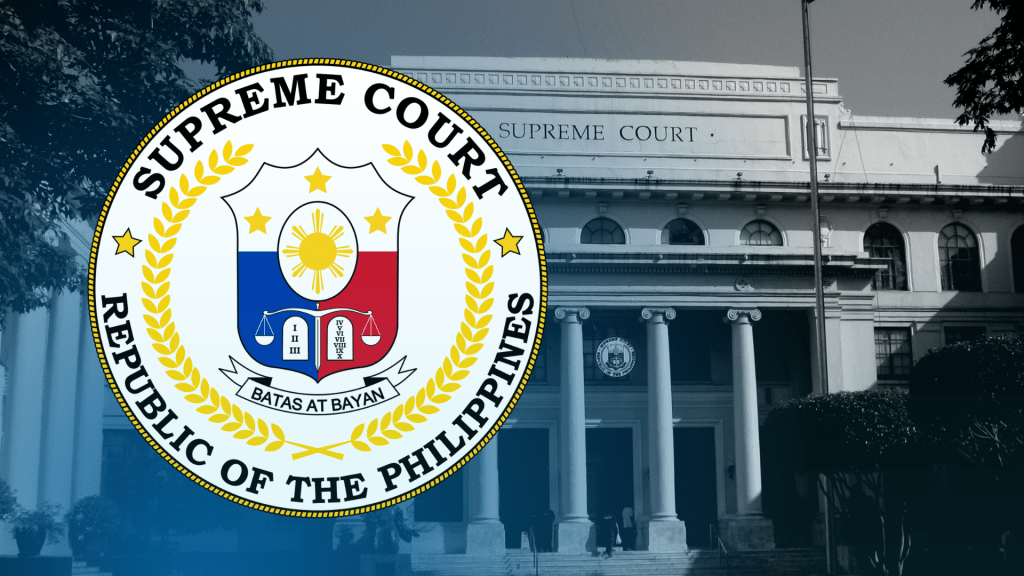
The judiciary is one of the three separate, co-equal and independent branches of government. It is important that the public understands how it is composed. The executive branch is led by the president; the legislative branch is made up of the Senate and the House of Representatives; and the judicial branch is composed of courts, of which the Supreme Court is the highest.
The role of the judiciary, especially the Supreme Court, is crucial in the operation of the government that rules our lives, since it ensures that the rule of law is effective. Its members interpret the laws and are the final guardians of the rights of citizens to protect them from any abuse from the other two branches. It also interprets the Constitution and has the final say in all legal disputes.
It also has executive power to create courts for special needs to serve the people effectively. According to the Constitution, Supreme Court justices “are required to have proven competence, integrity, probity and independence; must have at least 15 years of experience in a lower court; and be at least 40 years old and can serve until they are 70 years of age.” The justices are appointed by the president from a list of nominees submitted by the Philippine Judicial and Bar Council.
The honorable justices of the Supreme Court deserve our utmost respect. They are Filipinos’ first and last hope in safeguarding their rights, dignity and freedoms from illegal detention, harassment or abuse of any kind from the other branches. They alone can see to it that justice is delivered to the people, especially the poorest and most vulnerable in society: the children.
Incumbent members of the Supreme Court are Chief Justice Alexander Gesmundo; Senior Associate Justice Marvic Mario Victor Leonen; and Associate Justices Alfredo Benjamin Caguioa, Ramon Paul Hernando, Amy Lazaro-Javier, Henri Jean Paul Inting, Rodil Zalameda, Samuel Gaerlan, Ricardo Rosario, Jhosep Lopez, Japar Dimaampao, Jose Midas Marquez, Antonio Kho Jr., Maria Filomena Singh, and Raul Villanueva. The court administrator is Maria Theresa Dolores Gomez-Estoesta, who keeps everything going. She served as an associate justice of the Sandiganbayan, the country’s anti-graft court.
In its wisdom, the Supreme Court has already established independent special courts, such as the Sandiganbayan, the Court of Tax Appeals, and shari’a district and circuit courts. It has also created specialized divisions of regional trial courts (RTCs), such as family courts, special commercial courts, drug courts, and environmental courts. Now the only court that it needs to establish is a special children’s court that would deal with child abuse cases with haste. The children involved in these cases have bravely come forward at great risk and filed complaints against their rapists and traffickers.
They are children suffering and seeking justice through the courts. They are children who have been raped, sexually assaulted or trafficked by relatives or other people in their community. Their abusers and associates, as well as unsupportive relatives who have ascendancy over the children, threaten or bully them into withdrawing their complaints or send them away to keep them from testifying.
‘Why are there so many delays?’
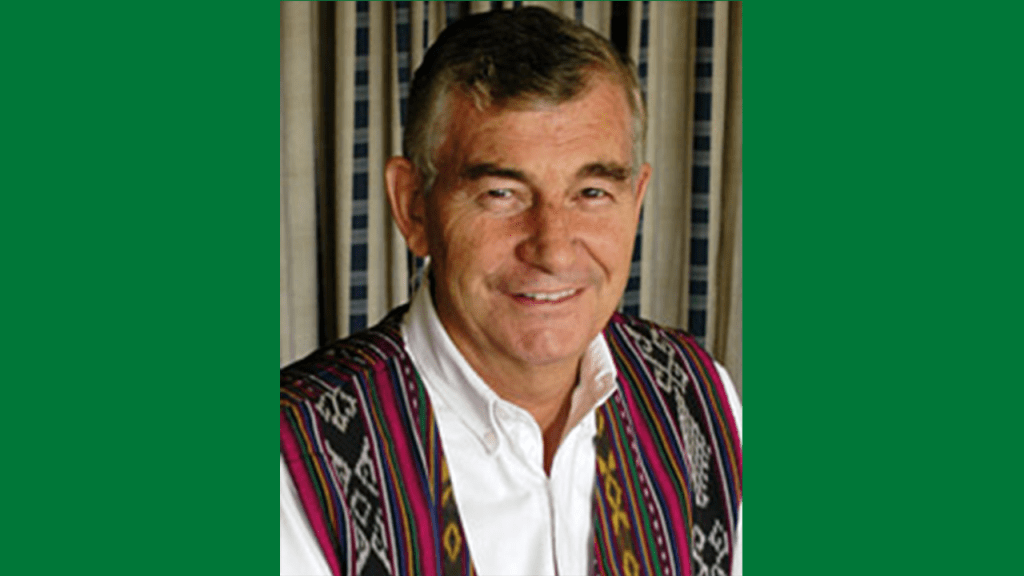
To protect them from their abusers and help them heal and be empowered to pursue justice and testify in court, child abuse survivors are assigned by local social workers to private, therapeutic and protective shelters like the one run by the Preda Foundation in Zambales that is licensed and accredited by the Department of Social Welfare and Development.
At the Preda home, they are safe and receive special care in a happy environment provided by social workers, therapists and counselors. The children entertain visits from supportive relatives, go on home visits and make video calls, and continue their education. Yet, they are separated from their siblings and supportive family members for a long period due to the frequent delays in their court hearings and postponements of their cases.
“Why am I here a long time, and my abuser is out free. Why are there so many delays?” one of the children at the home would ask. It’s one frequently heard in therapy.
Supreme Court justices have acted to speed up the course of justice and issued guidelines to RTCs acting as family courts aimed at accelerating the resolution of child sexual abuse cases. The justices instruct that such cases take precedence over all others before the courts in order to protect the victims and secure justice for them. Only election and habeas corpus cases are allowed as exceptions. However, these guidelines are not always followed. In their effort to ensure speedy justice, the Supreme Court has instructed that trials must start within three days from the date the accused is arraigned, and that postponing the initial hearing is not allowed, except if the accused is seriously ill.
There are, indeed, some very diligent judges in family courts who can and continue to deliver speedy justice in many cases despite the drawbacks in the judicial system. In 2024, in cases of children in the Preda homes in Zambales, the courts in Zambales and Olongapo City passed promulgations within 18 months on average, finding 27 accused guilty. In 2025, there were 20 convictions. This shows that despite the many challenges to the judiciary, some judges, like Maribel Mariano Beltran and recently retired Gemma Theresa Hilario-Logronio, can act swiftly with diligence and deliver justice. But in other jurisdictions, such as in Macabebe, Pampanga, the wheels of justice turn ever so slowly.
In our experience, in some courts, the Supreme Court’s instructions are not always implemented. Court hearings are frequently postponed, causing the children to feel frustrated and stressed. There is the “piece meal” trial, where hearings are fragmented rather than held continuously. Tactics that include lawyers filing endless motions delay the proceedings.
The Family Court, established under Republic Act 8369, or the Family Courts Act of 1997, tackles many different kinds of cases besides those of child sexual abuse, exploitation and trafficking. The calendars of the family courts are filled with cases that are petitions for the nullity of marriage, marital property relations, adoption, guardianship, custody, support, legal age of a child, and habeas corpus related to children. There are cases involving domestic violence against women and children, declarations of abandonment or neglect, and summary proceedings related to parental authority. There is little time for child sexual abuse cases that need continuous hearings to reduce the trauma and stress on the survivors. This is where the Supreme Court can establish a special children’s court.
The children are fighting for justice and need the Supreme Court to step up once again, make history and establish special children’s courts, where justice will be done and seen to be done by all.

![[Press Release] Women and Child Rights Advocate Sally Ujano Acquitted of Rebellion; Freed After Court Appeals Ruling | Free Sally Ujano Group](https://hronlineph.com/wp-content/uploads/2026/03/fb_img_1774597247993.jpg?w=1024)
![[Video] Anong Talak ng Woke na Taumbayan?](https://hronlineph.com/wp-content/uploads/2026/03/fb_img_1774329031398.jpg?w=1024)
![[Statement] TDC Statement on the three grading period](https://hronlineph.com/wp-content/uploads/2026/03/fb_img_1774326816689.jpg?w=1024)
![[Statement] Reveal true solutions to the country’s water problem: More than conservation, water privatization must end | PMCJ](https://hronlineph.com/wp-content/uploads/2026/03/1004.jpg?w=1024)
 Human Rights Online Philippines
Leave a comment