

by Melvin Nuñez
Hope-based communicator
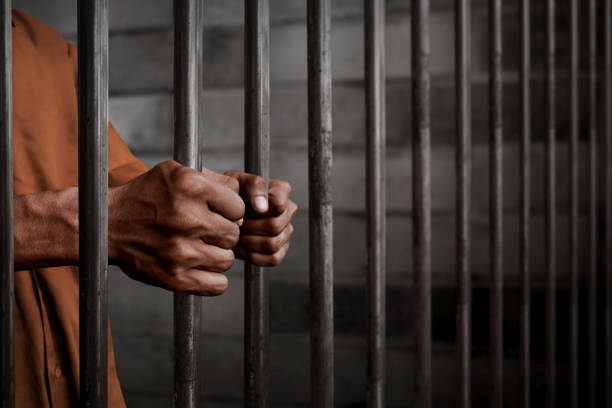
Jail congestion in the Philippines remains a highlighted issue that demands urgent
attention. Overcrowded facilities not only exacerbate difficult living conditions for
persons deprived of liberty (PDLs) but also hinder their chances of rehabilitation and
reintegration into society.
Although Philippine jails have unique reintegration programs and systems, it may be
necessary to mention that overcrowded facilities often have insufficient resources to
provide essential reintegration programs such as vocational training, educational
opportunities, skills practice, and mental health services. When jails are overcrowded,
program availability diminishes, meaning fewer PDLs can participate in activities that
equip them with the skills needed for successful reintegration into society.
Secondly, congestion leads to stressful and unsanitary conditions, which can negatively
impact PDLs’ mental and emotional well-being. High levels of stress, anxiety, and
depression make it challenging for individuals to focus on personal growth and
rehabilitation, hindering their readiness to reintegrate into society.
It’s also necessary to mention that jail officers are often overwhelmed, making it difficult
to provide individualized attention and support to PDLs. I saw how effective
reintegration requires personalized plans that address the specific needs of each
individual, but with high PDL-to-jail officer ratios, such attention is rarely feasible.
The Bureau of Jail Management and Penology (BJMP) reported in June 2024, that the
Philippines’ district, city, and municipal jail facilities remain high but have eased to 322%
from 365% last year.
A substantial proportion of the total PDL population in the Philippines is comprised of
those charged with drug offenses. BJMP reports have indicated that as much as 70% to
80% of PDLs in certain facilities were incarcerated for drug-related charges, particularly
under the context of the government’s intensified war on drugs.
While the statistics are daunting, it’s always and should be a must focus on healing,
hope-based solutions, and access to justice that fosters reintegration instead of mere
punishment.
PDLs provided with best opportunities for personal growth and healing inside jail are
those who often reintegrate successfully.
Many PDLs face barriers to legal representation, information about their rights, and
participation in legal proceedings, the legal system should also focus on ensuring that
PDLs can assert their rights, understand legal processes, and receive fair treatment,
promoting equality before the law.
A lot of ways are always being presented to different communities. Diversion programs
should be expanded to address non-violent offenders, particularly those struggling with
mental health issues or substance abuse. A redirection of these individuals to
rehabilitation centers and strong and collective community service initiatives instead of
incarceration are crucial for their successful reintegration.
During my attendance at the crafting of the 4th Philippine Human Rights Plan, we
suggested that the judiciary implement a stricter determination of probable cause
which should then minimize the risk of wrongful arrests and wrongful convictions, as well
as ensure that individuals are protected from arbitrary arrests and detentions leading to
jail decongestion.
I believe that it should also be time to enhance pre-trial release programs which would
allow for bail alternatives, such as electronic monitoring or community (local
government) supervision. This could significantly reduce the number of individuals
awaiting trial in jail facilities. This also emphasizes rehabilitation over mere detention and
creates an opportunity for individuals to maintain employment, family connections, and
community ties while awaiting their court dates.
PDLs already avail of educational, vocational, skills, and livelihood training are already
present in jail facilities which equips them with skills for employment upon release and
helps break the cycle of poverty and crime, ultimately leading to lower recidivism rates.
Even inside jails, PDLs earn already good wages from their livelihood services or
products either to their co-PDLs or outside jail. Other PDLs graduate from the Alternative
Learning System (ALS) program of TESDA, and others lead religious groups. Believe it or
not, select PDLs themselves, cook food for the whole jail facility which feeds every PDL.
While jail congestion in the Philippines looms as a significant issue, it also prompts
individuals, like us, to explore innovative and compassionate solutions to foster a more
humane system that not only alleviates overcrowding but also ultimately saves lives,
there’s always hope somewhere.


![[Statement] Statement of Condemnation to Quezon City 4th District Representative Bong Suntay on his Sexist and Objectifying Remarks | Miriam College – WAGI](https://hronlineph.com/wp-content/uploads/2026/03/fb_img_1772616021222.jpg?w=1024)
![[In the news] Pangasinan town nuke plan faces backlash | INQUIRER.net](https://hronlineph.com/wp-content/uploads/2026/02/screenshot-2026-02-09-143816.png?w=1024)
![[From the web] CHR backs stiffer penalties for hospital detention, urges focus on institutional accountability](https://hronlineph.com/wp-content/uploads/2026/02/627076470_1309237347897513_1019273190179875576_n.jpg?w=1024)
![[Press Release] PAHRA raises alarm over proposed social media registration, flags risks to free expression](https://hronlineph.com/wp-content/uploads/2026/02/fb_img_1770262130079.jpg?w=1024)
 Human Rights Online Philippines
Leave a comment